HYPNOPHILIA
When dreams are no longer private
A Novel that Questions Reality
Guillem suffers from narcolepsy with cataplexy, a neurological disease that has stolen control over his own body and mind. His dreams are no longer private refuges: they are unstable territories where the border between sleeping and waking fades. When he begins to suspect that someone else has access to his dreams, his life becomes a desperate struggle to distinguish what is real and what is not.

Key Themes
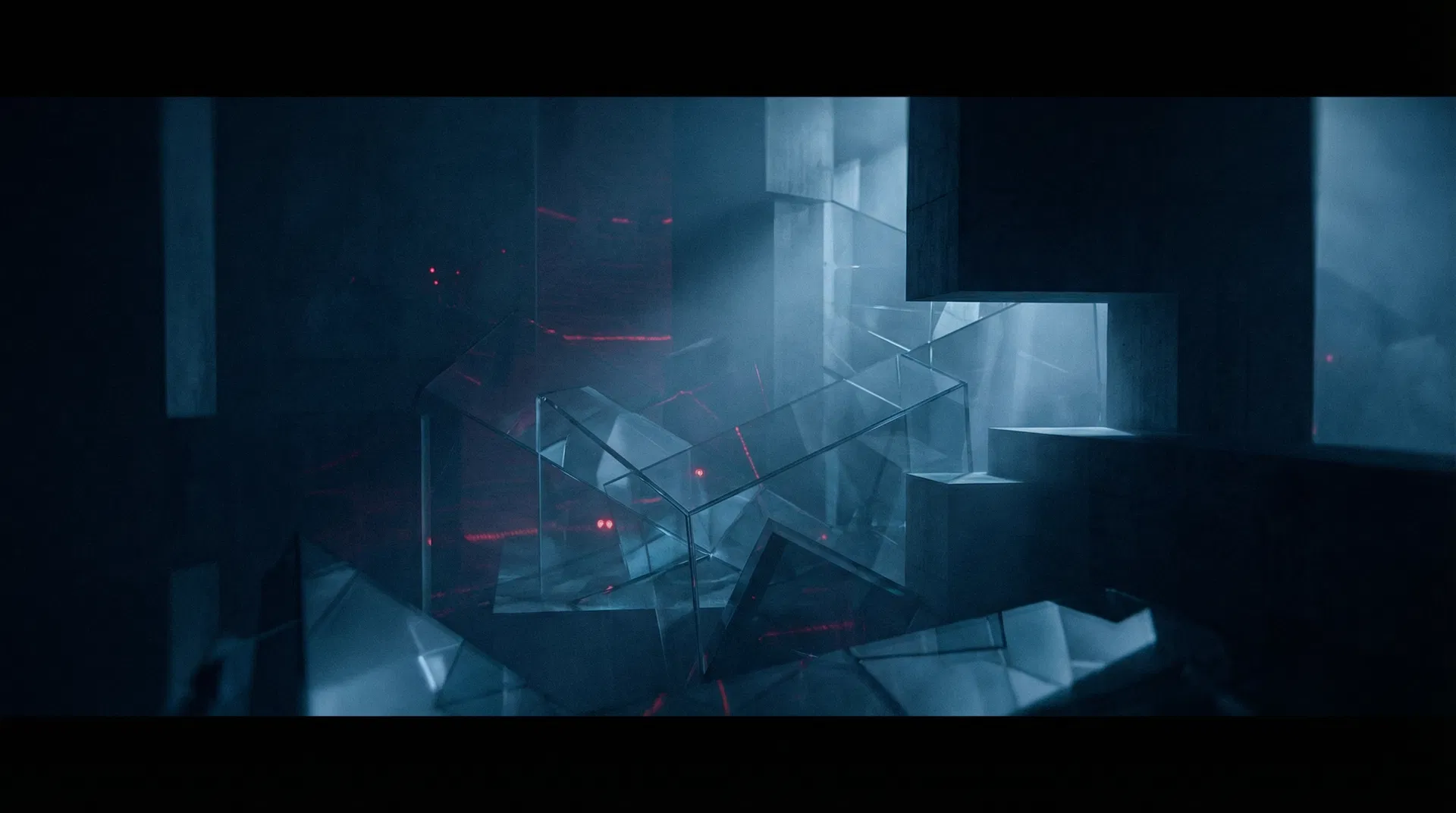
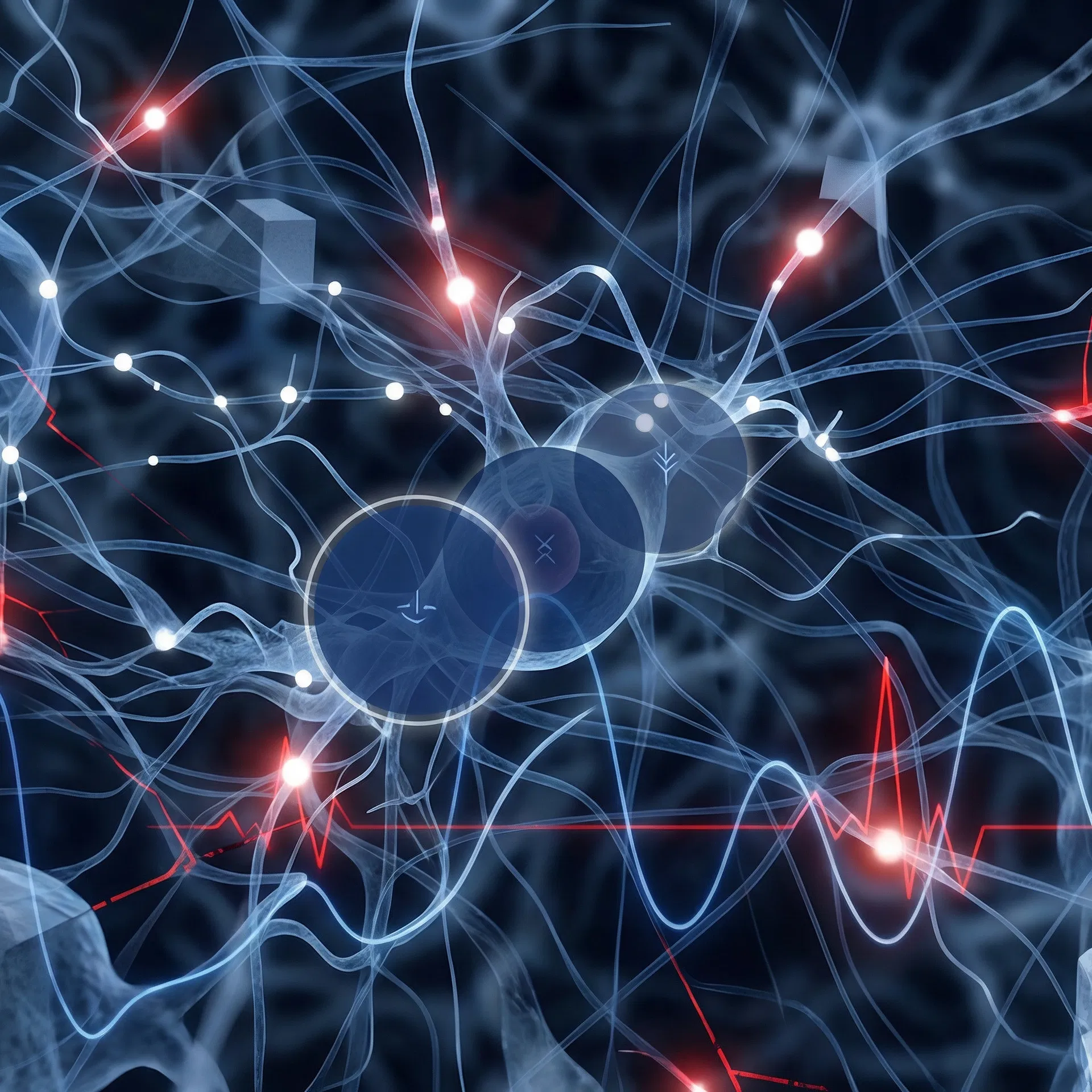
Narcolepsy
A deep exploration of narcolepsy and its devastating psychological effects.
Psychoanalysis
Freudian themes: the id, the ego, the superego, repression, the subconscious.
Neo-Noir Barcelona
Set in Barcelona with a dark and mysterious cinematic atmosphere.
Mental Privacy
A mystery that questions the privacy of our most intimate thoughts.
Official Trailer
Book Structure
Childhood
Chapters I-IV: Sleep, The Id, The Ego, The Superego
Youth
Chapters V-VIII: Libido, Repression, Parapraxis, Oedipus Complex
Maturity
Chapters IX-XI: Transference, Psychic Conflict, The Subconscious
Old Age
Chapter XII: The Awakening
David Núñez Carrasco
About the Author
David Núñez Carrasco is a Catalan psychological thriller author. HIPNOFÍLIA is his first novel, a deep exploration of the boundaries between dream and reality.
"I haven't always known when I was sleeping. There are nights that begin before closing your eyes, and days that don't end when the body gets up from bed."
"“…To sleep, perchance to dream—ay, there's the rub, for in that sleep of death what dreams may come when we have shuffled off this mortal coil must give us pause…”"
Prologue
Nor I haven't always known when I was sleeping. There are nights that begin before you close your eyes, and days that don't end when your body rises from bed. For a long time I believed this was fatigue, a flawed way of inhabiting the world. Later I understood that no: there are states that respond neither to the clock nor to the names we give them, and that confusing them with wakefulness is a slow form of danger. The first time I noticed it, nothing extraordinary happened. No vision. No revelation. Just an uncomfortable certainty: something had already begun without me. Everything seemed the same—objects in their place, people true to their gestures—but the world had shifted a tiny, almost imperceptible fraction, as if it had adjusted its distance from me without asking permission. I couldn't say how I had noticed it. Only that something no longer fit my body exactly. As if the place had recalculated me. I didn't tell anyone. Silence is a form of survival when you don't yet have the language to explain what's happening to you. Silence commands. Silence allows you to hold on to what has not yet taken shape. But it also accumulates. Sometimes, in that ambiguous state, the words arrived before the meaning. Some weren't mine. Not because they came from outside, but because they hadn't been thought. They had been activated. they seemed to recall something I hadn't lived yet. Other times it was the opposite: the meaning was there, dense, compact, and the words arrived late, clumsy, as if they had to translate an experience that didn't entirely belong to them. I started writing undated fragments. They weren't diaries. They didn't explain anything. They just recorded: an image that was too clear, a sentence that didn't fit into any conversation, the persistent feeling that something was being prepared in a place I hadn't entered yet. I wasn't doing it to understand it, but to not lose it. Because there are things that, if you don't look at them, don't go away. They accumulate. And when they return, they do so with weight. Over time, I understood that a dream isn't a place you enter, but a place that opens. And that it doesn't open the same way for everyone. Some pass through it like they're crossing a dark room. Others stay in it for too long. And there are those who, unintentionally, leave the door ajar. I still didn't know what this meant. I only knew that, from a certain point on, the dream was no longer just mine. That the images were beginning to have consequences. That the words spoken without a concrete language left a trail. That what I had always considered intimate was demanding an attention I couldn't sustain on my own. I tried to live as if nothing had happened. It's surprising how much the world allows this fiction. But there is a subtle—and irreversible—difference between ignoring something and not being able to stop knowing it. When that difference takes hold, there's no clean return. What was once a private experience begins to demand judgment. And judgment, when it arrives, almost never does so in time. If you're reading this, it's because something has also shifted a little out of place. Not enough to scare you. Enough for you to notice that sleep—that state we believe to be harmless—might not be so harmless after all. Or maybe it is too harmless. I won't ask you to believe anything. Just keep going. Because what comes next is not an explanation, but an approximation. And because all of this began long before the first memory, the first conscious dream, the first attempt to wake up. It started the day I realized I didn't know if I had slept.
Promotional Videos
Discover HYPNOPHILIA through these reel videos that capture the essence of the novel
Read with humor!
Hypnophilia Reel
Manga Hypnophilia (in preparation)
If you like... you'll love HYPNOPHILIA
A novel that dialogues with the great references of science fiction and psychological thriller
"Reality is that which, when you stop believing in it, doesn't go away."
In HYPNOPHILIA, Guillem cannot stop believing in his dreams, but neither can he trust them. The boundary between what is real and what is dreamed fades until the difference no longer matters.
"In dreams, responsibility is zero."
But what if someone else can access your dreams? HYPNOPHILIA explores the terror of a violated intimate space, where your sleeping mind is no longer a refuge but exposed territory.
"Technology is not evil. But it's not good either. It depends on how you use it."
Like Black Mirror, HYPNOPHILIA examines how technology can become a tool of control and surveillance, but instead of screens, the battlefield is the sleeping mind.
Frequently Asked Questions
Discover the Dream
Available in ebook and hardcover

Ebook

Hardcover
Cookie Consent
We use cookies to improve your experience on our website.
For more information, read our Privacy Policy